What we do
Thematics priorities
The interventions of SAPI Belgium ASBL are based on four thematic pillars, namely:
Protection of children affected by armed conflicts
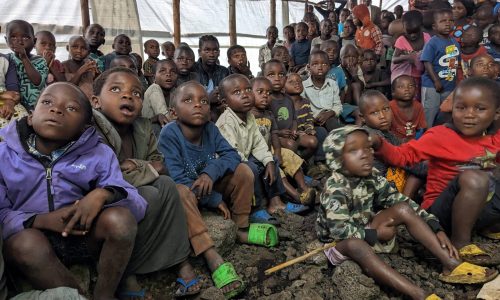
Child protection is at the core of our mission. We work with children who are victims of violence, exploitation, and displacement due to armed conflicts, providing them with a safe environment and appropriate support. Children living on the streets or without shelter receive assistance to help them regain a secure home, access healthcare and education, and achieve social reintegration.
For children in conflict with the law, we prioritize a restorative justice approach focused on rehabilitation and reintegration rather than punishment, through the development of mentoring programs, psychosocial support, and vocational training.
Our interventions also include the prevention of abuse and exploitation, community awareness-raising on children’s rights, and legal assistance to protect vulnerable children. Through a multisectoral approach, we combine protection, health, and education to strengthen children’s resilience, prevent a return to violence, and ensure sustainable development.
These actions are implemented in conflict-affected areas of the Democratic Republic of the Congo (DRC), the Central African Republic (CAR), and Burkina Faso, with a strong focus on cultural adaptation, social inclusion, and child empowerment. We work closely with local authorities, families, and communities to build a sustainable protective network around affected children, supporting their gradual return to a safe and stable life.
To date, more than 32,500 children have benefited from our protection programs, including family or safe shelter reintegration, psychosocial support, and access to education. Through a multisectoral approach combining protection, health, and education, we strengthen children’s resilience and promote their sustainable development. Our actions are tailored to cultural contexts and the specific needs of communities, in collaboration with families and local authorities, to establish a lasting protective environment for affected children.
Mental Health and Well-being
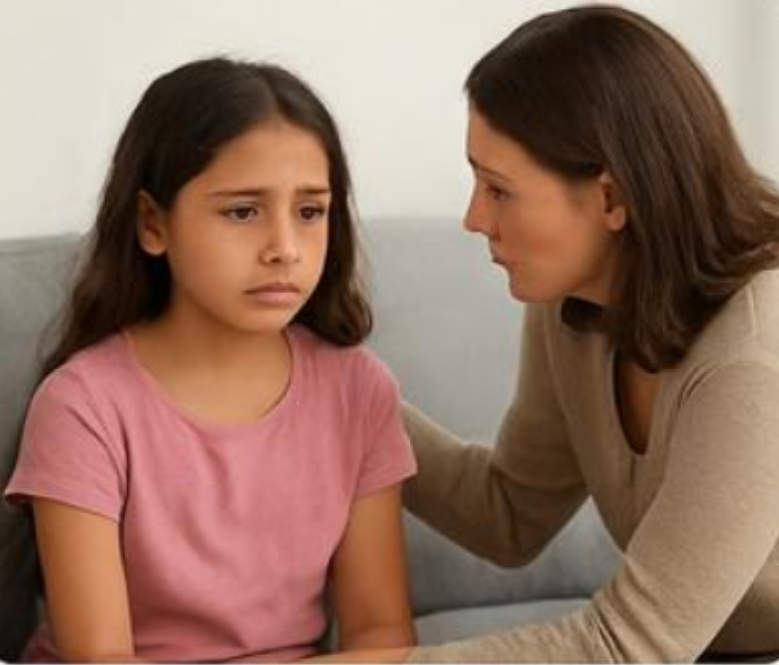
Children affected by armed conflicts, street-connected children, and refugee or displaced children often experience severe trauma, which may manifest as anxiety, depression, risky behaviors, or sleep disorders. To address these needs, we provide psychological support and individual or group therapy integrated into basic healthcare services.
We train non-specialized health workers in trauma stress management techniques using the Traumatic Stress Relief (TSR) approach, adapted to cultural and humanitarian contexts. Information and awareness sessions help children and their communities better understand and manage the psychological impacts of crises.
We also support children who are survivors of sexual violence, children with chronic illnesses, and pregnant women by ensuring psychosocial follow-up that promotes long-term resilience and well-being. Our interventions aim to heal the invisible wounds of trauma, strengthen resilience, reduce stigma, and enable children to return to a safe and stable life.
By combining psychosocial support, education, and protection, our programs provide holistic and sustainable care, empowering children to overcome trauma and rebuild their lives.
Education
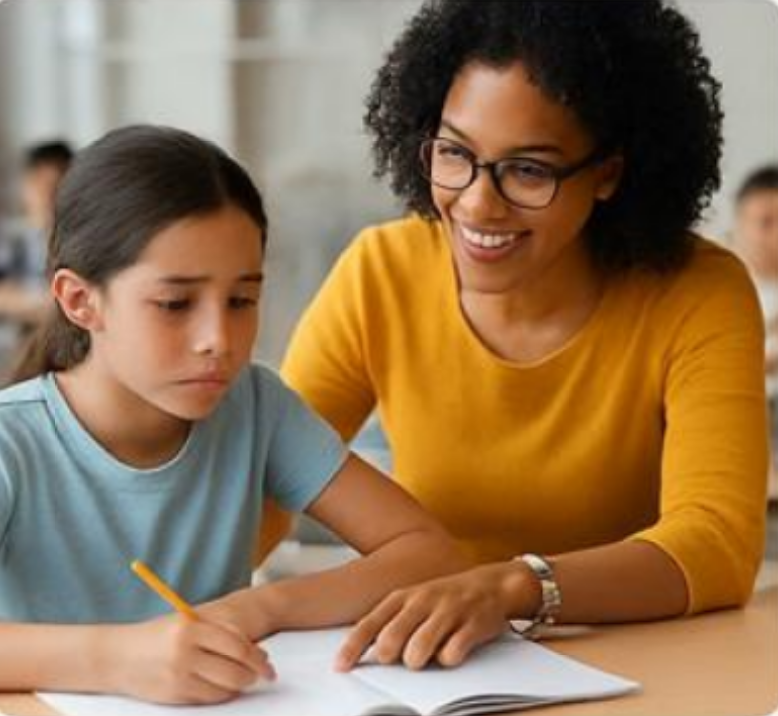
Education is a key driver for the future of children affected by conflict and situations of vulnerability. We facilitate access to inclusive, quality education and vocational training, particularly for displaced, refugee, homeless children, and children formerly associated with armed forces. Our projects include the construction of temporary classrooms, the distribution of school and hygiene supplies, as well as remedial classes and accelerated learning programs for children who have fallen behind academically.
We also support the schooling of girls who are survivors of violence or early marriage and assist children in obtaining the administrative documents required for school enrollment. Our programs aim to ensure educational continuity, even in crisis settings, by integrating psychosocial support and activities that promote socio-emotional skills development.
Between 2023 and 2025, more than 7,800 children were enrolled in school, 550 teachers were trained, and 15 schools were supported. Our goal is to guarantee every child sustainable access to education, strengthen their autonomy, and offer future opportunities despite ongoing crises. Education is therefore a strategic pillar, not only for knowledge transmission but also for promoting resilience, inclusion, and child protection across all our interventions.
Emergency Assistance
Through our multidisciplinary teams, we respond rapidly to children and families in distress, including unaccompanied children, migrants, and refugees. We provide psychosocial support, food and nutritional assistance, non-food item (NFI) kits, and livelihood support through income-generating activities (IGAs), while ensuring the protection and survival of beneficiaries.
To date, 12,400 children and 17,230 families have benefited from our emergency assistance. Present from the earliest hours following a disaster or crisis, we also ensure access to education, health prevention, and psychosocial follow-up. SAPI’s emergency fund enables immediate action to save lives and restore hope to affected children and communities.
Our 3 pillars
Protection of children affected by armed conflicts
We work to protect children who have been victims of violence, exploitation, and displacement due to armed conflicts.
Mental health and well-being
We provide psychological support and therapy to help children overcome their trauma.
Education
We facilitate access to inclusive, high-quality education and vocational training for vulnerable children, including those affected by conflict, displacement, and extreme poverty. Our programs support school enrollment, provide learning materials, remedial and accelerated learning, and strengthen teachers’ capacities. By integrating psychosocial support and life-skills development, we help children regain confidence, stay in school, and acquire the academic and practical skills they need to build a secure, independent, and hopeful future.